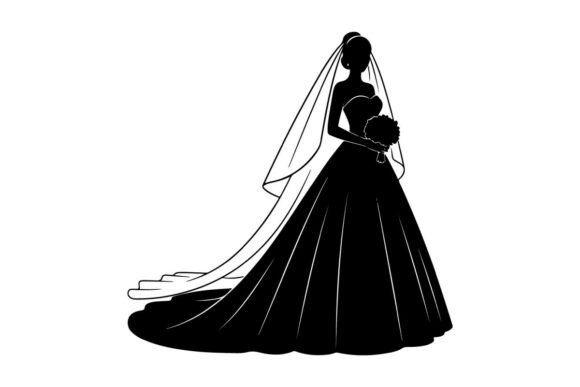
Exploring Wedding Card Vector Art: A Designer's Guide
When you hear the term Wedding Card Vector Art, your mind might immediately jump to a specific, ornate script font. While that's a common association, it's more accurate to think of it as a broad category of design assets characterized by clean, scalable lines and often romantic, celebratory themes. These are digital illustrations and typographic elements built on mathematical paths rather than pixels. This fundamental difference is what makes them so incredibly valuable. Whether you're a designer crafting a bespoke invitation suite, a small business owner creating branded stationery, or a crafter personalizing favors, understanding the power of this vector-based approach is key. It's not just about a single typeface; it's about a versatile toolkit that ensures your designs look crisp and professional at any size, from a tiny social media icon to a large-format event banner.
The Anatomy of a Wedding Vector: Style and Substance
The visual personality of wedding vector art is typically elegant, fluid, and often imbued with a sense of timelessness. You'll find a wide spectrum, from script fonts that mimic graceful calligraphy to sophisticated serif fonts with delicate hairlines. The "vector" aspect is crucial—it guarantees sharpness. Unlike a rasterized image that becomes pixelated when enlarged, a vector file remains perfectly smooth. This makes it ideal for logo design for wedding planners, monogram creation for stationery, or intricate floral illustrations that accompany the typography. The overall appeal lies in its blend of traditional romance and modern precision, offering a polished look that elevates any project.
But where does this art truly shine? Its applications are remarkably versatile. In editorial design, think of elegant magazine spreads for bridal publications or aspirational wedding blog headers. For packaging design, it's perfect for labels on favors, gift boxes, or artisanal products targeting the wedding market. In the digital realm, web designers use these assets for creating stunning hero images, while social media graphics for engagement announcements, countdowns, and thank-you posts gain a professional edge. The key is matching the style of the vector art to the project's tone. A flowing, handwritten font style might suit a bohemian-themed blog, while a clean, modern sans serif font paired with a minimal monogram could define a contemporary wedding brand's brand identity.
Strategic Application: From Brand Identity to Tangible Keepsakes
Choosing the right Wedding Card Vector Art is a strategic decision that influences far more than just aesthetics. It directly impacts visual hierarchy and readability. A highly decorative script, for example, is stunning for a headline or a couple's names but would be a disaster for paragraph text. Understanding this balance is part of being a savvy designer. The font you select becomes a core component of your project's brand perception. Consistent use of a specific, well-chosen typeface across all materials—from the save-the-date to the thank-you card—builds recognition and professionalism. It tells a cohesive story.
Practical guidance is essential here. When evaluating a premium font or a vector art pack, look beyond the initial flourish. Does it include multiple styles, like regular, italic, and swashes? Are there complementary sans serif or serif font pairings suggested? Always test font pairing in context. Place the script with a potential body copy font and check the contrast and harmony. Review the licensing meticulously—a commercial font license is non-negotiable for any client work or products for sale. Many designers create mood boards to see how the vector art interacts with color palettes and photography, ensuring it enhances rather than overwhelms the overall design.
Making It Work: Practical Tips for Designers and Creators
For those in the creative trenches, here are some grounded recommendations. First, readability trumps all. Test your chosen vector text at the actual size it will be used, especially for smaller applications like envelope addressing. Second, explore the full range of design assets that often accompany these fonts—ligatures, stylistic alternates, and ornamental flourishes can add unique, custom touches. Third, consider the medium. A vector art style that looks perfect on a digitally printed invitation might lose its delicate details in a blind emboss or foil stamp. Communicate with your printer early.
Finally, think about audience engagement. The right typography doesn't just look good; it feels right. It can evoke the desired emotion, whether that's joy, elegance, or modern simplicity. For entrepreneurs and content creators, using high-quality, licensed vector art in your marketing materials signals a commitment to quality that resonates with discerning clients. It’s an investment in your creative output. By treating Wedding Card Vector Art not as a single clipart file but as a fundamental component of your design system, you unlock its true potential to create work that is both beautiful and strategically effective.